 Save
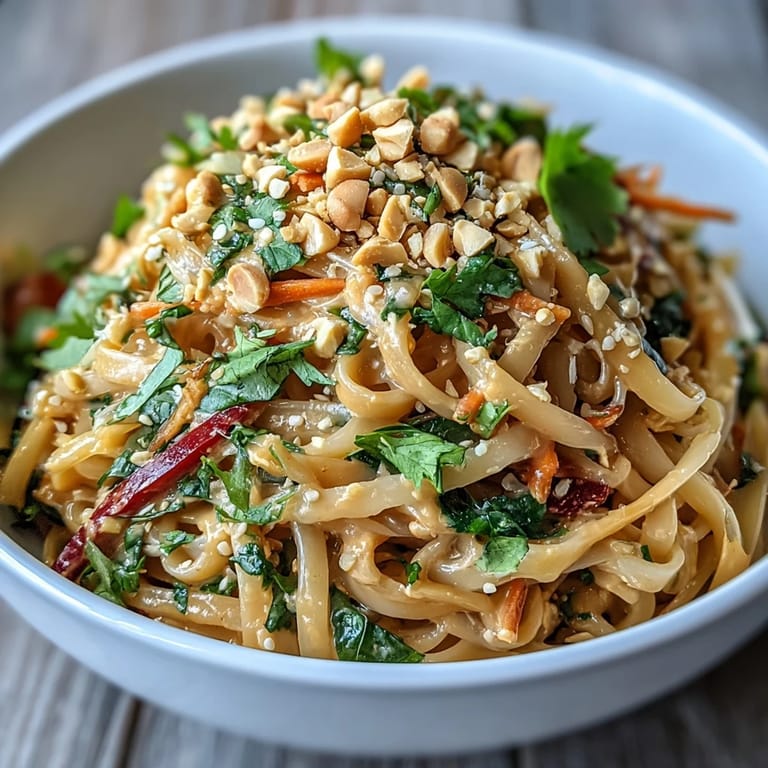
Save One sticky summer afternoon, my neighbor handed me a takeout container of peanut noodles she'd grabbed from a new spot downtown, and I sat on my porch watching the heat shimmer off the street while twirling those cool, silky noodles around my fork. The crunch of fresh vegetables and that creamy-salty-slightly-sweet dressing made me realize I'd been spending way too much money on delivery when something this good could live in my own kitchen. I went straight inside, scribbled down what I could taste, and spent the next week testing ratios until I got it exactly right—turns out it's embarrassingly simple, which made me love it even more.
I made this for my coworkers during a potluck last fall, and one person came back to the table three times without saying a word, just kept filling their bowl with this quiet determination that made everyone laugh. That's when I knew this wasn't just good—it was the kind of dish that makes people forget their manners a little bit, which is really the highest compliment a recipe can get.
Ingredients
- Rice or wheat noodles (300 g): Rice noodles stay silkier when cold, but wheat noodles have more chew and hold onto the dressing beautifully—choose based on your mood.
- Carrot, julienned: Don't use a vegetable peeler for thin slices; get yourself a proper julienne cut or use a mandoline so they're uniform and snap between your teeth.
- Red bell pepper, thinly sliced: The red ones are sweeter than green and look prettier, plus they add a subtle brightness that complements the earthiness of the peanut dressing.
- Shredded red cabbage (1 cup): This keeps its texture longer than regular cabbage and adds a slight peppery note that prevents the bowl from feeling one-dimensional.
- Scallions, thinly sliced: Slice them just before serving so they keep their sharp onion bite instead of mellowing out in the fridge.
- Fresh cilantro leaves (1/2 cup): If you're one of those people who thinks cilantro tastes like soap, honestly just skip it—this bowl doesn't need convincing to be delicious.
- Bean sprouts (1/2 cup): They add a delicate crunch that's almost meditative to eat, but buy them fresh the day you're making this because they fade fast.
- Creamy peanut butter (1/3 cup): Use the kind with just peanuts and salt, nothing else—the added oils in the cheap stuff will make your dressing greasy instead of luxurious.
- Soy sauce (2 tbsp): Tamari is your friend if you're gluten-sensitive, and it actually tastes less harsh than regular soy sauce anyway.
- Sesame oil (1 tbsp): This is potent stuff—don't substitute it with regular oil or you'll lose the entire personality of the dressing.
- Rice vinegar (1 tbsp): It's milder than white vinegar and brings a subtle sweetness that ties everything together without being obvious about it.
- Honey or maple syrup (1 tbsp): Use maple syrup if you want the recipe entirely vegan, but honestly they taste almost identical here.
- Fresh grated ginger (1 tsp): Bottled ginger is fine in a pinch, but freshly grated ginger releases oils that make this taste like it came from somewhere fancy.
- Garlic clove, minced (1 small): One clove is perfect—more than that and the dressing tastes aggressive instead of balanced.
- Warm water (2–4 tbsp): Add it gradually because peanut butter is unpredictable; you might need more or less depending on humidity and how thick your peanut butter started out.
- Roasted peanuts, chopped (2 tbsp): The crunch at the end is essential, so don't skip this or you'll have a bowl that's all softness.
- Toasted sesame seeds (1 tsp): Toast them yourself for 30 seconds in a dry pan if you have time—the difference between stale and fresh is night and day.
- Lime wedges: They're not optional; the brightness cuts through the richness and makes you want another bite immediately.
Tired of Takeout? 🥡
Get 10 meals you can make faster than delivery arrives. Seriously.
One email. No spam. Unsubscribe anytime.
Instructions
- Bring the noodles to life:
- Fill a pot with water and bring it to a rolling boil, then cook your noodles according to the package—usually it's only 4 to 5 minutes. As soon as they're tender, drain them immediately and run them under cold water while shaking the pot so they don't clump together into a sad, dense mass.
- Whisk the dressing into existence:
- Grab a medium bowl and combine your peanut butter, soy sauce, sesame oil, rice vinegar, honey, ginger, and garlic—you'll notice it looks thick and almost angry at first. Whisk in the warm water a little at a time, tasting as you go, until it's pourable but still has body to it; this is where you get to make it your own.
- Gather your fresh vegetables:
- While you're waiting, julienne that carrot, slice your bell pepper thin enough to be delicate, shred your cabbage, slice your scallions, and tear your cilantro leaves off the stems. The goal is uniform pieces so every bite feels intentional instead of random.
- Create the harmony:
- Dump your cooled noodles into a large bowl with all your vegetables, then pour that dressing over everything and toss it like you mean it, making sure every strand of noodle gets coated. You're looking for that moment where the dressing goes from looking separate to becoming part of the whole.
- Plate and top with intention:
- Divide the noodle mixture among serving bowls, then scatter your chopped peanuts and sesame seeds across the top—these aren't just decoration, they're the final texture surprise. Serve it with lime wedges on the side so people can squeeze exactly as much as they want.
 Save
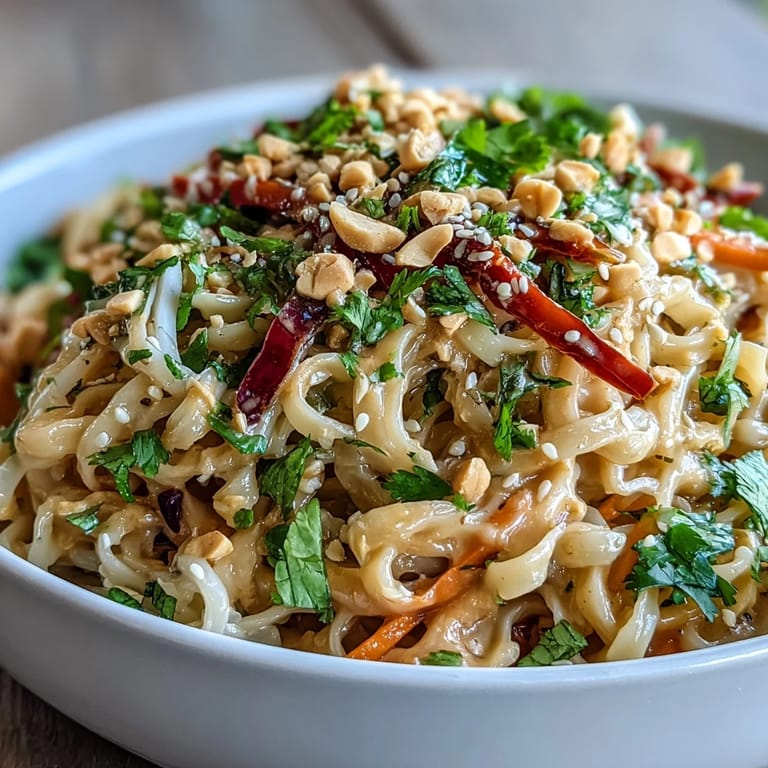
Save There's something about watching someone taste this for the first time that never gets old—their eyes usually go a little wide, like they're surprised that something so vibrant and fresh could also be this satisfying. That moment of recognition, when they realize they're going to be making this on repeat, is honestly why I keep coming back to this recipe.
Temperature and Timing Matters
I learned this the hard way by serving a bowl that sat on the counter for too long—the noodles absorbed too much dressing and turned gummy, while the vegetables started losing their snap. The sweet spot is chilled but not ice-cold, which means making it 20 minutes to an hour before you eat it, or pulling it straight from the fridge if you made it the night before. The warm version is lovely too if you gently heat it in a pan for a couple minutes, but that's a different vibe entirely—more comforting, less refreshing.
Playing with Protein
The beauty of this bowl is that it's completely happy as a vegetarian main course, but it also plays beautifully with protein if you want to make it more filling. I've stirred in everything from grilled tofu to shredded rotisserie chicken to pan-seared shrimp, and each one feels like a completely different meal while keeping that same satisfying peanut sauce as the anchor. The protein doesn't need to be hot either—I often slice leftover grilled chicken and let it sit in the dressing for a few minutes so it absorbs some of that flavor.
Customizing Your Bowl
Once you make this a couple times, you'll start seeing it as a template instead of a strict recipe, which is exactly when it becomes dangerous in the best way. I've added snap peas, cucumber, mint instead of cilantro, roasted cashews instead of peanuts, and once I even threw in some crispy fried garlic because I had it on hand and felt adventurous. The dressing is forgiving enough to handle whatever vegetables are looking good at your farmers market, so treat this like a conversation with your ingredients instead of a command you have to follow exactly.
- Try adding cucumber slices or snap peas for extra crunch and freshness.
- Swap cilantro for mint or basil if you want a different herb direction.
- A drizzle of chili oil on top transforms this from bright and balanced to warm and a little spicy.
 Save
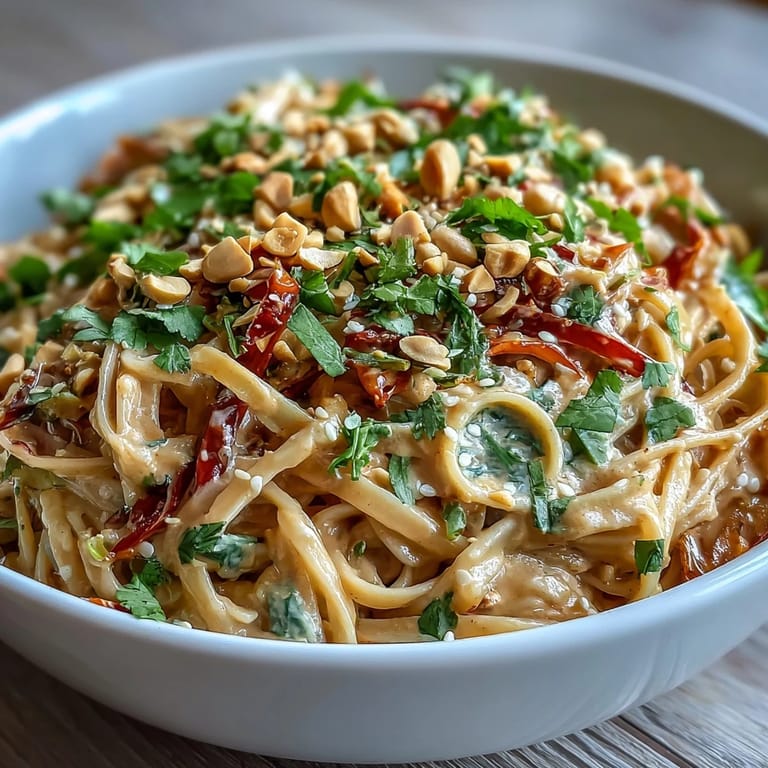
Save This bowl has become my go-to when I need to feed people something that looks impressive but doesn't require me to stress, and that's a rare combination worth holding onto. Make it once, and I promise you'll find yourself standing in the produce section weeks later thinking about those flavors again.
Recipe FAQ
- → Can I make this gluten-free?
Yes. Use rice noodles instead of wheat noodles and substitute tamari for regular soy sauce. Double-check all ingredient labels to ensure they're certified gluten-free.
- → How long do leftovers last?
Store leftovers in an airtight container in the refrigerator for up to 3 days. The noodles will absorb some dressing, so you may want to add a splash of water or extra dressing when reheating.
- → Can I prepare this ahead of time?
You can chop vegetables and whisk the dressing up to 24 hours in advance. Keep them refrigerated separately. Cook the noodles fresh and toss everything together just before serving for the best texture.
- → What protein additions work well?
Grilled tofu, baked or pan-fried chicken, stir-fried shrimp, or edamame all complement the peanut flavors beautifully. Add your choice when tossing the noodles with vegetables.
- → Can I adjust the dressing consistency?
Absolutely. Add more warm water for a thinner, pourable dressing or less for a thicker, creamier coating. Start with 2 tablespoons and adjust gradually until you reach your preferred consistency.
- → What vegetables can I substitute?
Feel free to swap in sliced cucumber, snap peas, shredded broccoli stems, bok choy, or spinach. The dish works well with whatever crisp, fresh vegetables you have on hand.