 Save
Save The first time I encountered hojicha mousse was at a tiny dessert café in Kyoto, where the owner explained that roasted tea creates this incredible earthy sweetness that cream cant quite capture. I spent months trying to recreate that memory, burning through countless cartons of milk before understanding that the secret lies in letting the tea steep long enough to truly infuse. Now, every time I catch that nutty, caramel aroma wafting from my saucepan, I am instantly transported back to that afternoon watching cherry blossoms fall outside the café window.
Last winter, I served this at a dinner party where my friend Sarah, who claims to dislike anything green tea related, went back for seconds and asked for the recipe before shed even finished her portion. Thats the thing about this mousse, it converts people without them realizing whats happening.
Ingredients
- 2 tablespoons hojicha tea leaves: Buy loose leaf rather than tea bags, you will get a much deeper flavor and those beautiful flecks of roasted tea throughout
- 200 ml whole milk: Whole milk creates that silky restaurant texture, though I have made it work with oat milk in a pinch
- 3 large eggs, separated: Room temperature eggs will whip up faster and hold their structure better when folding
- 60 g granulated sugar: Divided evenly between the yolks and whites, this is just enough to enhance the teas natural sweetness
- 1 teaspoon vanilla extract: Pure vanilla makes a difference here, tying all the flavors together
- 1 tablespoon cornstarch: This tiny amount is what gives the mousse enough body to hold its shape beautifully
- 2 teaspoons powdered gelatin: Essential for that perfect set that still melts in your mouth
- 2 tablespoons cold water: Use ice cold water for blooming the gelatin properly
Tired of Takeout? 🥡
Get 10 meals you can make faster than delivery arrives. Seriously.
One email. No spam. Unsubscribe anytime.
Instructions
- Steep the Hojicha Milk:
- Gently heat the milk until you see steam rising but before it starts boiling, then add the tea leaves, cover with a lid, and let it work its magic for 10 full minutes. Strain carefully through a fine mesh sieve, pressing on the leaves to extract every bit of that roasted flavor, then set aside to cool until it is warm to the touch.
- Prepare the Gelatin:
- Sprinkle the gelatin over cold water in a small bowl and walk away for 5 minutes, it needs this time to fully absorb the liquid and soften.
- Make the Base:
- Whisk egg yolks with 30 g sugar and cornstarch until the mixture turns pale and silky, then slowly stream in the warm hojicha milk while whisking constantly so the eggs do not scramble.
- Cook and Thicken:
- Set the bowl over a pot of simmering water, whisking without stopping until the mixture thickens enough to coat the back of a spoon, usually 3 to 5 minutes.
- Add Gelatin and Vanilla:
- Stir the bloomed gelatin into the hot mixture until it disappears completely, then mix in the vanilla. Let this cool to room temperature, giving it a stir every so often to prevent a skin from forming.
- Whip the Egg Whites:
- In a completely clean bowl, beat egg whites until soft peaks form, then gradually sprinkle in the remaining 30 g sugar and keep beating until glossy stiff peaks stand up straight.
- Fold Together Gently:
- Add one third of the egg whites to the hojicha mixture and fold until combined, then repeat with the remaining whites in two more batches, being careful to keep as much air in the mixture as possible.
- Chill Until Set:
- Spoon the mousse into your prettiest glasses or ramekins and refrigerate for at least 2 hours, though I have learned that letting it sit overnight makes the flavor even more developed.
- Finish and Serve:
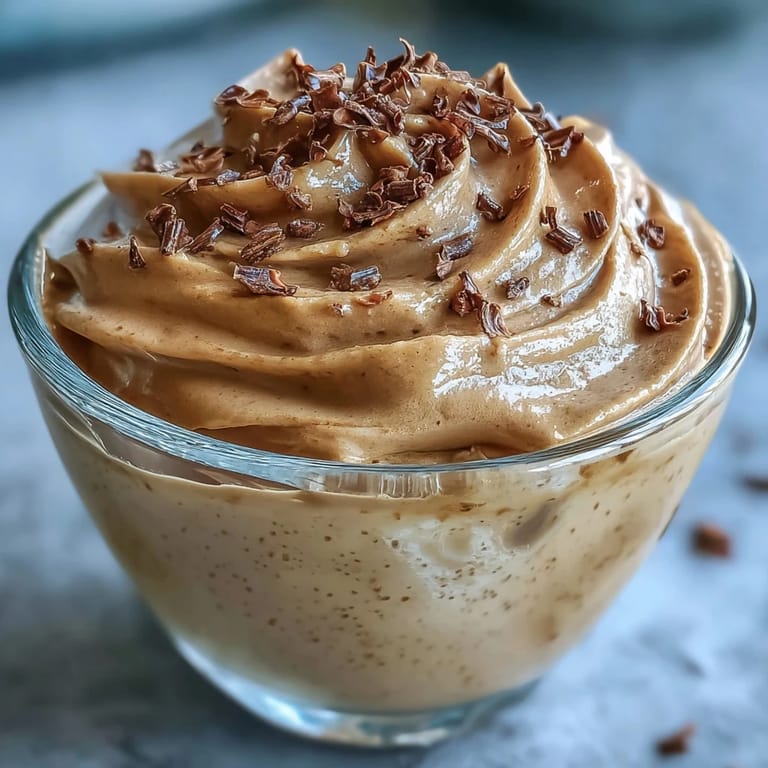
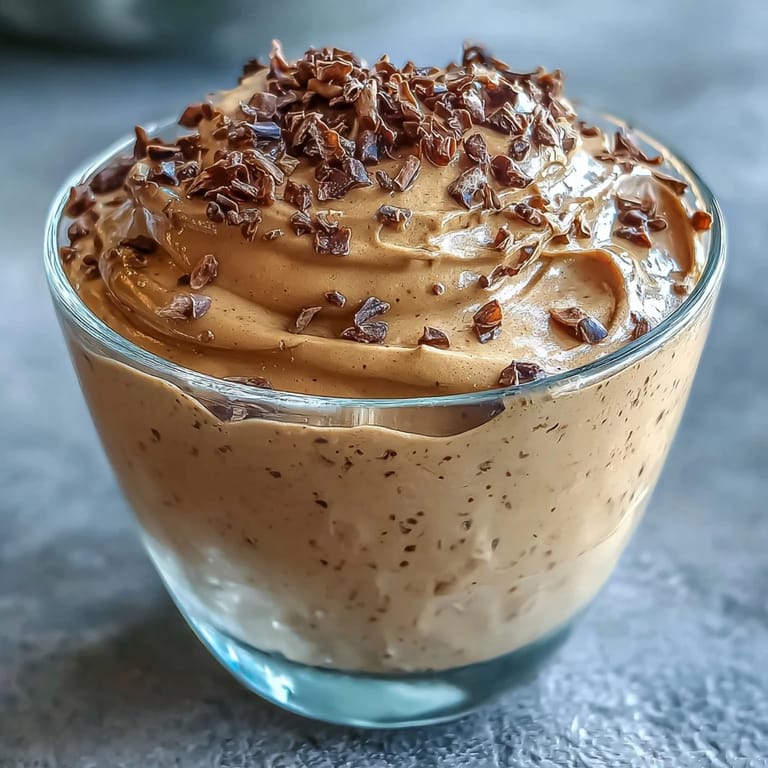
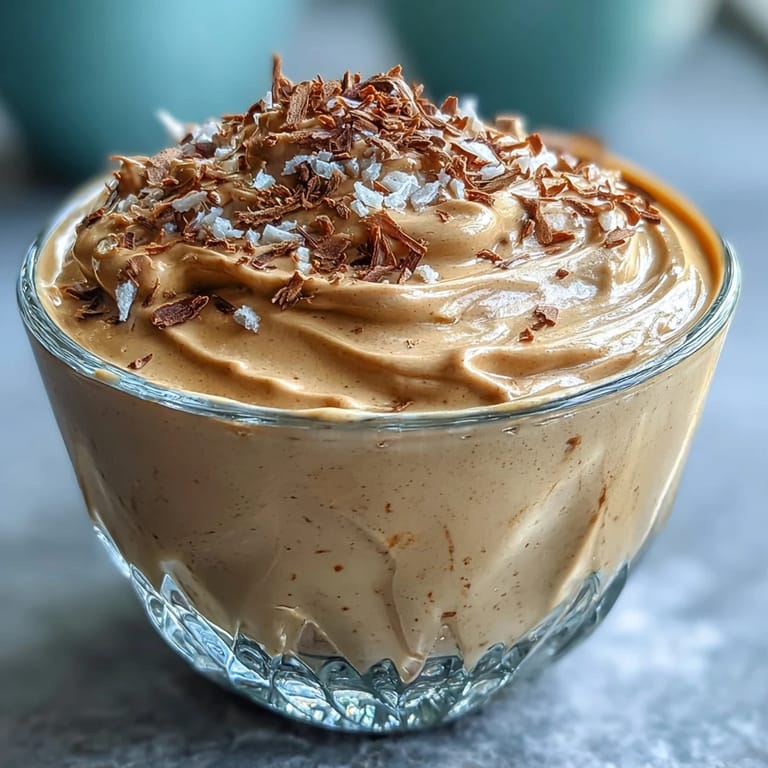
- Top with toasted hojicha leaves or cocoa nibs for that professional touch, right before you are ready to impress your guests.
 Save
Save My mother in law still talks about the time I served this after Sunday dinner, mentioning how the mousse was somehow both substantial and weightless at the same time. That balance is exactly what keeps me coming back to this recipe.
Making It Dairy Free
Oat milk has become my go to substitute because its natural creaminess mimics whole milk beautifully. The texture changes slightly, becoming a bit more delicate, but the hojicha flavor actually comes through even more clearly without dairy competing for attention.
Getting The Perfect Set
After many slightly wobbly attempts, I discovered that room temperature ingredients fold together much more smoothly than cold ones. The gelatin needs to be fully dissolved but not boiling hot when you add it, otherwise it can break down and lose its setting power.
Serving Suggestions
I have found that a small handful of fresh berries cuts through the richness and adds this lovely bright contrast. If you are feeling fancy, a side of floral sake or chilled green tea makes the whole experience feel like a restaurant dessert course at home.
- Toast extra hojicha leaves in a dry pan for just 30 seconds for the most fragrant garnish
- Make individual portions in champagne flutes for an elegant dinner party presentation
- The mousse keeps well for two days in the fridge, though it rarely lasts that long in my house
 Save
Save There is something deeply satisfying about serving a dessert that looks impressive but comes together with such simple ingredients. This mousse has become my answer to every dinner party invitation.
Recipe FAQ
- → What makes hojicha different from other Japanese teas?
Hojicha is roasted green tea that develops deep, nutty, caramel-like notes through high-heat processing. Unlike matcha or sencha, it contains lower caffeine and offers a mellower flavor profile that pairs beautifully with creamy desserts.
- → Can I prepare this ahead for entertaining?
Absolutely. The mousse requires at least two hours chilling time, making it perfect for advance preparation. You can make it up to 24 hours before serving—cover the glasses with plastic wrap and store in the refrigerator. Garnish just before serving for the best presentation.
- → Why is this preparation made without heavy cream?
Removing heavy cream creates a lighter, more delicate texture that allows the roasted tea flavor to shine through clearly. The egg white structure provides all the necessary lift and creaminess while keeping the dessert refined and less heavy on the palate.
- → What substitutions work for dietary restrictions?
Replace whole milk with oat or almond milk for a dairy-free version. The texture remains similar, though the flavor profile shifts slightly. For egg-free alternatives, consider aquafaba or commercial egg replacers, though the structure will differ from the traditional preparation.
- → How do I know when the custard base is properly thickened?
The custard is ready when it coats the back of a spoon and leaves a clear path when you run your finger through it. This typically takes 3-5 minutes over the bain-marie. Avoid overcooking, which can cause curdling and affect the final mousse texture.
- → What serving suggestions enhance this dessert?
Present in clear glass vessels to showcase the smooth, caramel-colored mousse. Top with toasted hojicha leaves for visual interest and intensified flavor, or sprinkle cocoa nibs for bitter contrast. Fresh berries add brightness, while a small glass of floral sake creates a traditional Japanese pairing.