 Save
Save The roasted aroma of hojicha always transports me back to a tiny cafe in Kyoto where I first tasted this unlikely combination. I remember the barista explaining that roasting green tea mellows its bitterness, creating these warm, nutty notes that pair surprisingly well with dark chocolate. That evening, I experimented in my tiny apartment kitchen, melting and stirring until my entire space smelled like a cozy tea house. Now whenever I make this fudge, that rich fragrance brings back the quiet comfort of rainy afternoons spent discovering unexpected flavor marriages.
Last Christmas, I made a triple batch for my family's annual cookie exchange. My uncle, who claims to dislike anything green tea related, took one skeptical bite and immediately asked for the recipe. The pan was empty within twenty minutes, and I spent the rest of the afternoon writing out the recipe for three different relatives on scraps of wrapping paper. Now it is the most requested treat at every gathering, a quiet favorite that never fails to surprise people.
Ingredients
- 200 g dark chocolate (6070% cacao): This foundation provides deep chocolate intensity that stands up to the roasted tea notes without becoming overwhelming
- 100 g milk chocolate: The creaminess here balances the dark chocolate's bitterness and creates that luxurious melt-in-your-mouth texture
- 100 g unsalted butter: Essential for the silky smooth consistency and helps the fudge set perfectly
- 1 can (397 g) sweetened condensed milk: This is what transforms melted chocolate into proper fudge, providing sweetness and structure
- 2 tbsp hojicha powder: Do not substitute with matcha. Hojicha's roasted character is what makes this recipe special
- 1 tsp vanilla extract: Rounds out the flavors and adds a subtle warmth that complements both chocolate and tea
- Pinch of salt: Enhances all the flavors and prevents the fudge from tasting cloyingly sweet
Tired of Takeout? 🥡
Get 10 meals you can make faster than delivery arrives. Seriously.
One email. No spam. Unsubscribe anytime.
Instructions
- Prep your pan:
- Lining your pan with parchment paper is not optional. Trust me, I learned the hard way that fudge sticks to everything. Leave those overhangs long enough to use as handles later.
- Melt the base:
- Combine both chocolates and butter in your heatproof bowl over simmering water. Stir gently and patiently. Rushing this step can cause seizing, which will ruin the texture.
- Add the flavor:
- Remove from heat completely before adding the condensed milk and hojicha. Stir vigorously until no specks of powder remain and the mixture turns glossy and smooth.
- Set and finish:
- Pour into your prepared pan and smooth the top. Refrigerate for at least two hours, then use those parchment handles to lift the whole block out before cutting.
 Save
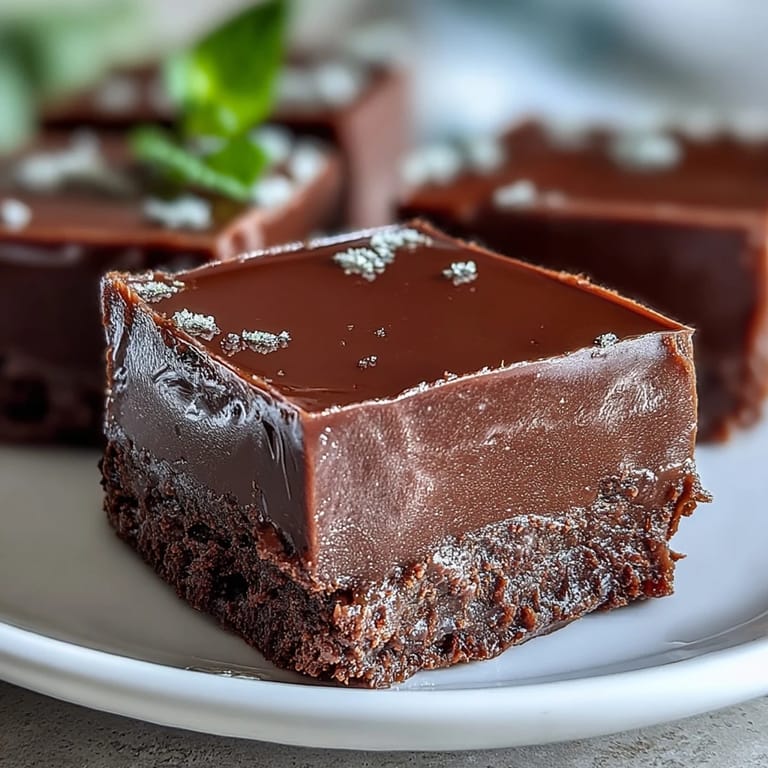
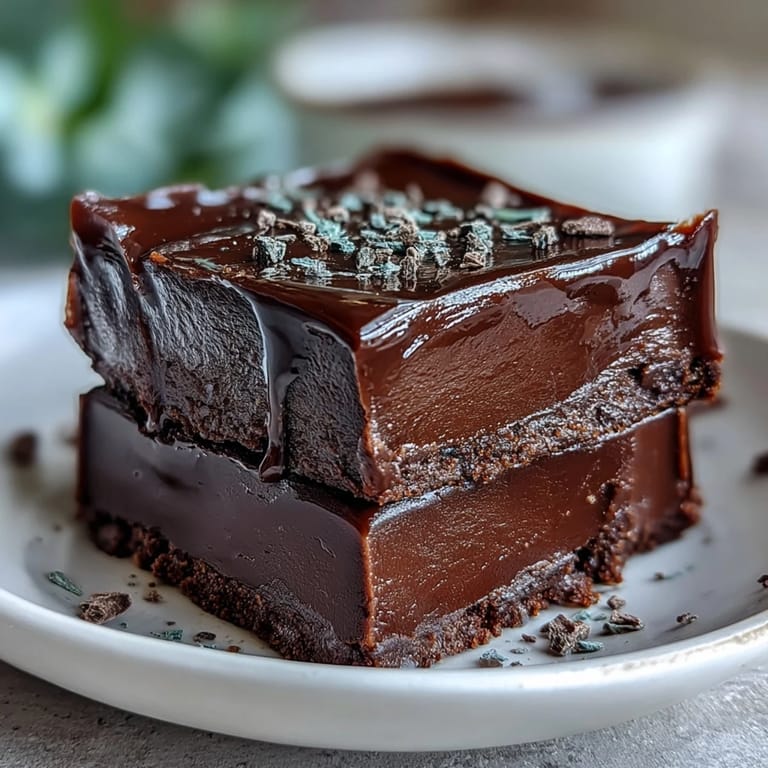
Save There is something deeply satisfying about presenting a homemade confection that looks like it came from a gourmet chocolate shop. The marbled swirl of chocolate against the reddish-brown hojicha creates such an elegant appearance. Every time I gift this, people assume I must have some secret professional training, which always makes me laugh.
Choosing Your Hojicha
Not all hojicha powders are created equal. I have tried several brands and found that darker, more deeply roasted powders provide the strongest flavor that can compete with chocolate. Look for powder that smells intensely toasted, almost like coffee. Lighter hojicha will get lost in the chocolate and you will miss out on that beautiful roasted character that makes this recipe sing.
Mastering the Double Boiler
The double boiler method might feel fussy if you are used to microwaving, but it gives you control that prevents the chocolate from scorching. Keep the water at a gentle simmer, never a rolling boil. I keep a dry towel nearby to wipe condensation from the bowl's exterior, because even those few drops can spell disaster for your fudge.
Getting Perfect Squares
The secret to professional-looking pieces is warming your knife under hot water and drying it completely between every few cuts. Cold fudge will crack under a cold knife. A warm blade creates clean, smooth edges and those satisfying little chocolate shavings that always end up in my mouth before they can make it to the serving plate.
- Use a ruler to mark cutting lines for perfectly even squares
- Clean your knife frequently to prevent smearing
- Room temperature fudge cuts cleaner than refrigerator-cold fudge
 Save
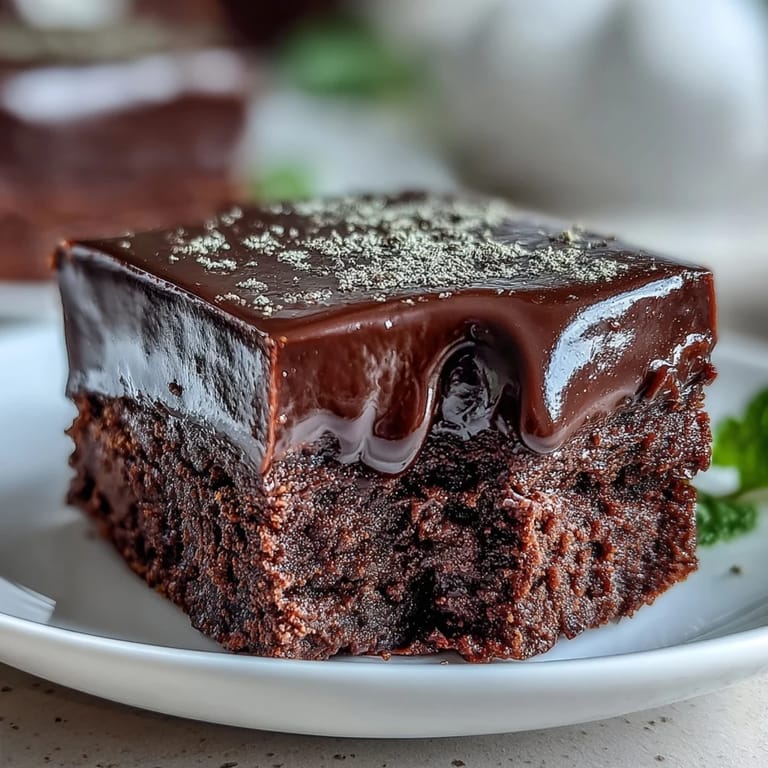
Save This fudge has become my go-to for moments when I want to give something handmade but impressive. The combination feels special and thoughtful, a little reminder that the best discoveries often come from being willing to try something unexpected.
Recipe FAQ
- → What does hojicha taste like in fudge?
Hojicha adds distinctive nutty, toasty notes with subtle earthy undertones. The roasting process creates a milder flavor compared to matcha, allowing the chocolate richness to shine while adding aromatic depth and sophisticated warmth to each bite.
- → Can I substitute hojicha powder with matcha?
Matcha is not recommended as a substitute. Hojicha is roasted green tea with a completely different flavor profile—nutty, caramel-like, and earthy. Matcha is vibrant and grassy, which would clash with the rich chocolate. Hojicha can be found at Japanese grocers or specialty tea shops.
- → How should I store this confection?
Keep refrigerated in an airtight container for up to one week. The cool temperature maintains the dense texture and prevents the squares from becoming too soft. For serving, remove from refrigerator 10-15 minutes beforehand to allow slight softening for optimal creaminess.
- → Why use both dark and milk chocolate?
The combination creates balanced richness and sweetness. Dark chocolate (60-70% cacao) provides depth and structure, while milk chocolate contributes creamy sweetness and smooth texture. This blend prevents the confection from becoming overly bitter or cloyingly sweet.
- → Can I add mix-ins to this confection?
Absolutely. Toasted chopped walnuts, almonds, or pecans add delightful crunch. For additional texture, consider folding in dried Japanese fruits like yuzu peel or crystallized ginger. Add mix-ins after dissolving the hojicha powder, just before pouring into the pan.
- → What makes this different from regular chocolate fudge?
The hojicha powder transforms traditional chocolate fudge with its unique roasted flavor profile. The Japanese tea adds sophisticated nutty aromas and subtle earthy notes that create a more complex, grown-up version of classic chocolate confections. The texture remains luxuriously dense but gains aromatic depth.