 Save
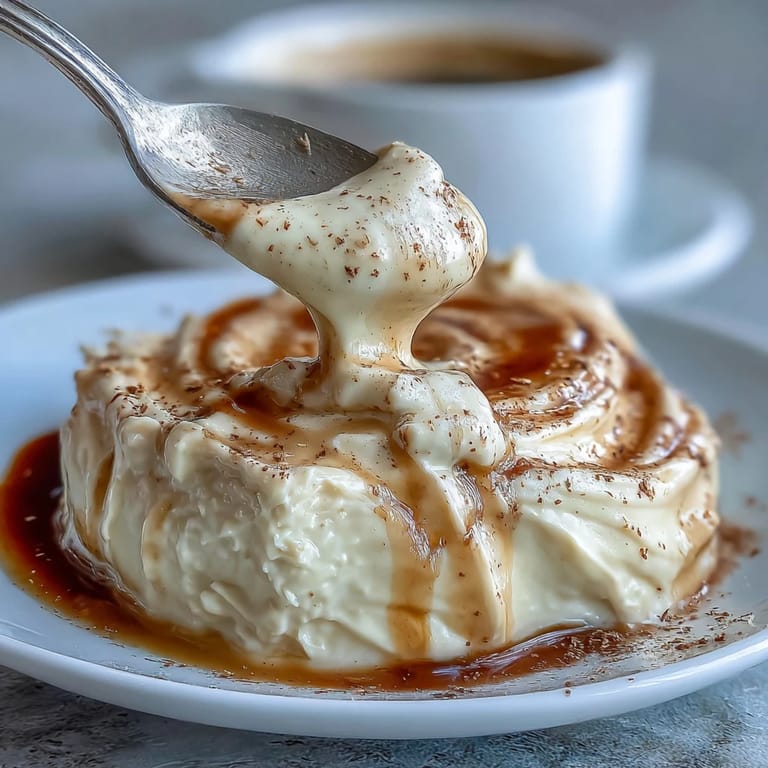
Save The first time I tasted hojicha pastry cream was at a tiny pastry shop in Kyoto, where the owner explained that roasting green tea leaves transforms everything about their character. That smoky, caramelized note felt like someone had taken the elegance of French crème pâtissière and given it a warm, grounding embrace. I spent weeks trying to recreate that particular depth at home, steeping and re-steeping tea leaves until my kitchen smelled permanently of roasted tea. Now it's become one of those fillings that makes people pause and ask, "What is in this?"
Last winter, I made a batch for a dinner party and ended up watching three guests hover by the cooling bowl, dipping spoops in "just to taste." Someone eventually suggested we skip the planned dessert course and eat it straight from bowls, which honestly wasn't the worst idea I've ever heard. The way the smokiness lingers after each bite feels almost like having a conversation with an old friend who knows exactly when to speak and when to let silence sit.
Ingredients
- Whole milk: The fat content carries the hojicha flavor beautifully, so don't substitute with anything leaner
- Unsalted butter: Adds the luxurious finish that transforms this from a simple pudding into something patisserie-worthy
- Hojicha loose leaf tea: Loose leaves give you more control over steeping, but tea bags work in a pinch
- Egg yolks: Room temperature yolks incorporate more smoothly and prevent that dreaded cooked-egg texture
- Granulated sugar: Don't reduce this, as the sugar is essential for proper thickening and texture
- Cornstarch: Creates that silky, glossy finish that distinguishes pastry cream from pudding
- Vanilla extract: A subtle backing note that harmonizes with the tea without competing
- Salt: Just a pinch wakes up all the flavors and keeps the sweetness from being cloying
Tired of Takeout? 🥡
Get 10 meals you can make faster than delivery arrives. Seriously.
One email. No spam. Unsubscribe anytime.
Instructions
- Steep the hojicha milk:
- Heat the milk in a medium saucepan until you see steam rising and tiny bubbles forming around the edges, then pull it off the heat. Stir in the hojicha leaves, cover the pan, and let it steep for 10 minutes—this patience is where all the flavor lives.
- Strain and prepare the base:
- Pour the milk through a fine mesh sieve, really pressing on the leaves to extract every drop of that roasted tea essence. Whisk your egg yolks with sugar, cornstarch, and salt until the mixture turns pale and falls from the whisk in ribbons.
- Temper and thicken:
- Slowly drizzle about a cup of the warm hojicha milk into your yolks while whisking furiously—this prevents scrambling. Pour everything back into the saucepan and cook over medium heat, whisking constantly, until the mixture suddenly thickens and bubbles pop heavily on the surface.
- Finish with butter and vanilla:
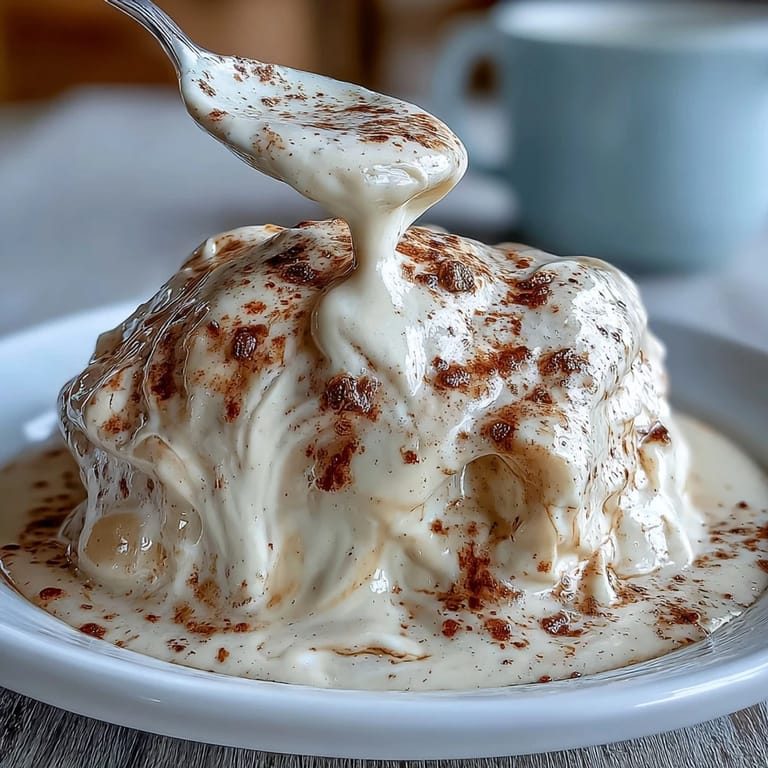
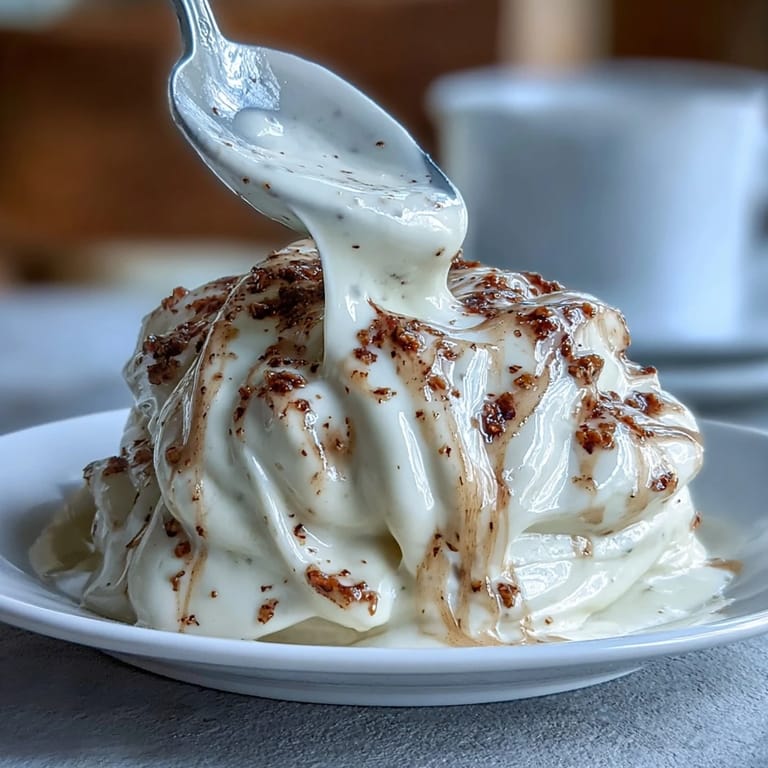
- Remove from heat immediately and whisk in your butter and vanilla until the cream becomes impossibly glossy and smooth. Press plastic wrap directly onto the surface so no skin forms, then chill for at least an hour before using.
 Save
Save My mother-in-law, who's worked in professional kitchens for decades, took one bite of this and demanded the recipe on the spot. She said it reminded her of the layered cream cakes she used to make in Paris, but with this unexpected warmth that made it feel entirely new. Now she sends me photos of her variations, sometimes with white chocolate folded in, other times with a splash of rum.
Mastering the Steep
The difference between a good hojicha cream and an extraordinary one comes down to how you treat the tea. I've found that crushing the dried leaves slightly between your fingers before adding them to the hot milk releases more of those aromatic oils. And never squeeze the tea leaves through your sieve with brute force—that bitterness will ruin everything. A gentle press is all you need.
Troubleshooting Texture
Pastry cream can be finicky, but most problems come down to temperature and timing. If your cream never thickens, it likely didn't reach a high enough temperature to activate the cornstarch. If it's too thick, whisk in a tablespoon of cold milk once it's chilled. And if you accidentally get small bits of cooked egg, pass it through that fine mesh sieve again while it's still warm—the texture will be perfect.
Serving Suggestions
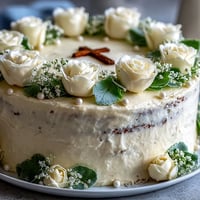
Beyond the obvious cream puffs and éclairs, this cream makes an incredible filling for layer cakes or even sandwiched between two shortbread cookies. I've also been known to eat it straight from a small bowl with a sprinkle of extra hojicha powder on top. The smokiness pairs surprisingly well with fresh fruit, especially stone fruits when they're in season.
- Fold in some softly whipped cream for a lighter, mousselike texture
- Try it as a filling for crepes with fresh berries on top
- It keeps for 3-4 days in the fridge, though it rarely lasts that long in my house
 Save
Save There's something deeply satisfying about a recipe that combines two culinary traditions so seamlessly, and this hojicha pastry cream does exactly that. May your kitchen smell of roasted tea and your cream puffs always be perfectly filled.
Recipe FAQ
- → What does hojicha pastry cream taste like?
Hojicha pastry cream features a distinctive roasted, nutty flavor with subtle smokiness and mellow undertones. The toasted tea notes create a warm, comforting taste profile that's less grassy than matcha but equally sophisticated.
- → Can I use hojicha powder instead of loose leaf tea?
Yes, substitute 2 teaspoons of hojicha powder for the loose leaf tea. Whisk the powder directly into the warm milk instead of steeping and straining. This method is faster but may yield slightly different texture.
- → How long does hojicha pastry cream keep?
Store the pastry cream in an airtight container with plastic wrap pressed directly onto the surface. It will keep refrigerated for up to 3 days. Whisk briefly before using to restore smoothness.
- → What desserts work best with hojicha pastry cream?
This custard shines in cream puffs, éclairs, and choux pastry creations. It also layers beautifully in cakes, fills tart shells, or can be lightened with whipped cream for mousse-like texture.
- → Why is my pastry cream lumpy?
Lumps usually form from eggs cooking too quickly. Always temper the yolks by gradually whisking in warm milk, and cook over medium heat while whisking constantly. If lumps appear, pass through a fine mesh sieve while warm.
- → Can I make this dairy-free?
Substitute whole milk with full-fat coconut milk or oat milk for dairy-free versions. The texture may be slightly different, but the hojicha flavor will still shine through beautifully.