 Save
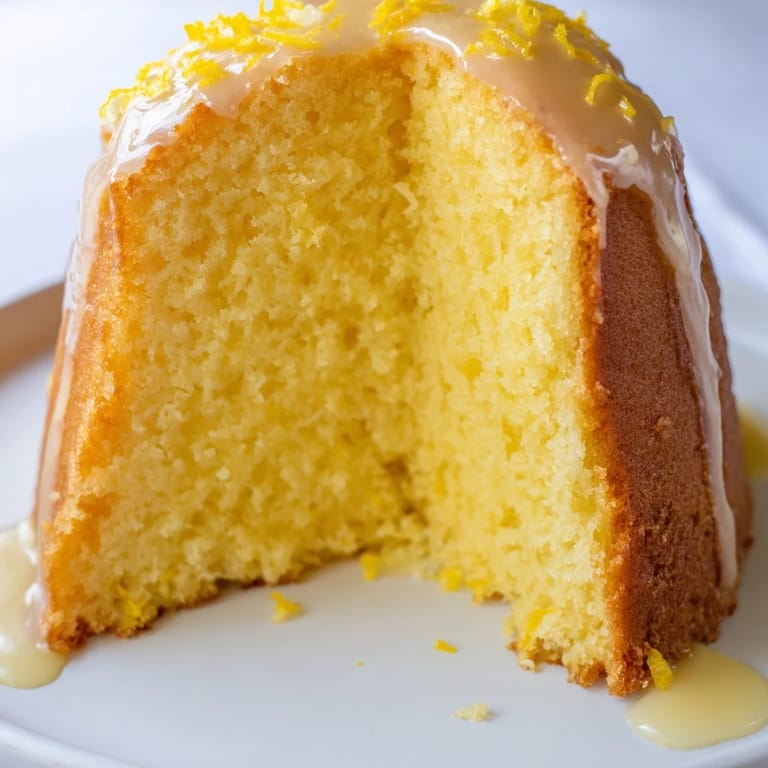
Save The first time I made lemon pound cake, I was standing in my kitchen on a gray afternoon, holding a lemon and wondering if I could actually make something as elegant as what I'd tasted at my neighbor's house. Turns out, this cake isn't fancy at all—it's honest, buttery, and needs nothing more than fresh lemons and a steady hand. Now it's the one I reach for when I want to feel like I've done something right in the kitchen without overthinking it.
I made this for my sister's book club last spring, and I remember being slightly nervous because everyone there seemed to know their way around a kitchen. When they asked for the recipe, I realized it wasn't about impressing anyone—it was just that simple, good butter cake that somehow made people pause and actually taste what they were eating.
Ingredients
- Unsalted butter: Softened to room temperature so it creams smoothly with the sugar and traps those tiny air bubbles that make the cake light.
- Granulated sugar: Don't skip the creaming step—it's where the magic happens, transforming gritty butter and sugar into something pale and cloud-like.
- Eggs at room temperature: Cold eggs won't blend in properly and you'll end up with a dense cake instead of one that's tender.
- Fresh lemon juice and zest: This is where flavor lives—use real lemons, not bottled juice, and zest them right before you measure.
- All-purpose flour: Measure by spooning into your cup and leveling off, not scooping directly from the bag, which packs it down and makes the cake tough.
- Baking powder and salt: Salt isn't just seasoning—it brightens the lemon and keeps the sweetness from overwhelming your palate.
Tired of Takeout? 🥡
Get 10 meals you can make faster than delivery arrives. Seriously.
One email. No spam. Unsubscribe anytime.
Instructions
- Set the stage:
- Preheat your oven to 350°F and prepare your loaf pan—I prefer parchment paper because it peels away clean and you can see the golden crust on all sides. Have everything measured and ready before you start mixing.
- Cream the butter and sugar:
- Beat them together for a full 3 to 4 minutes until the mixture looks pale and fluffy, like the inside of a cloud. This is where your cake gets its tender crumb, so don't rush it.
- Add eggs one by one:
- Drop each egg in whole and beat well before adding the next one. This prevents the batter from looking curdled and ensures even distribution of moisture.
- Prepare your wet and dry components:
- Combine the milk, lemon juice, and zest in one bowl—you'll see the zest float and disperse, which is perfect. In another bowl, whisk the flour, baking powder, and salt so the leavening is evenly spread.
- Alternate carefully:
- This is the step where people go wrong—add the flour mixture in three additions, alternating with the milk-lemon mixture, and always start and end with flour. Mix on low speed just until you can't see streaks of flour anymore, then stop.
- Into the oven:
- Pour the batter into your pan and smooth the top gently with a spatula. Bake for 50 to 55 minutes, until a toothpick comes out clean—if it has wet batter on it, give it another 3 to 5 minutes.
- Cool with patience:
- Let the cake rest in the pan for 10 minutes so it can set, then turn it out onto a cooling rack. Trying to move it too soon means potential crumbles.
- Glaze while cool:
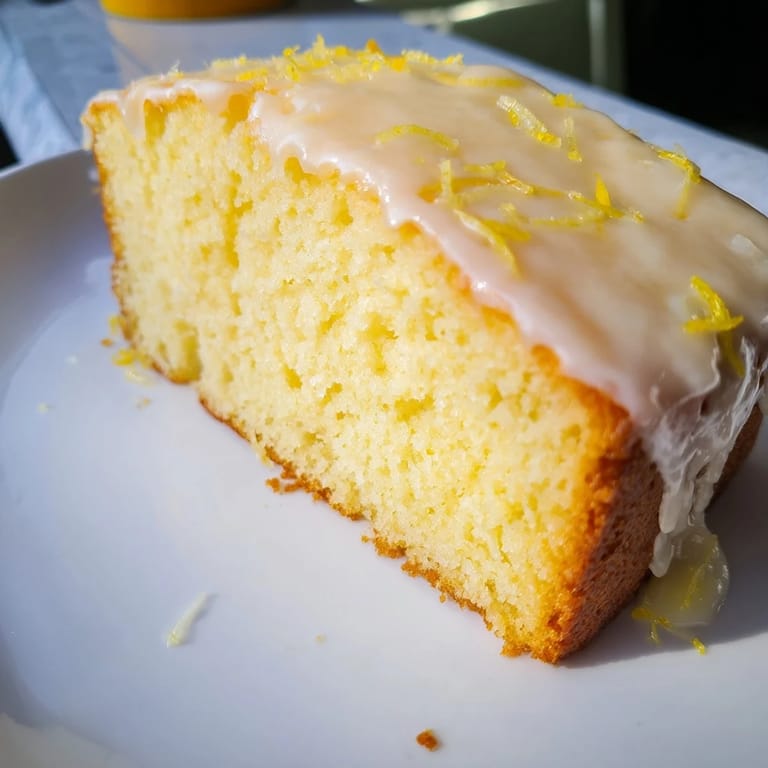
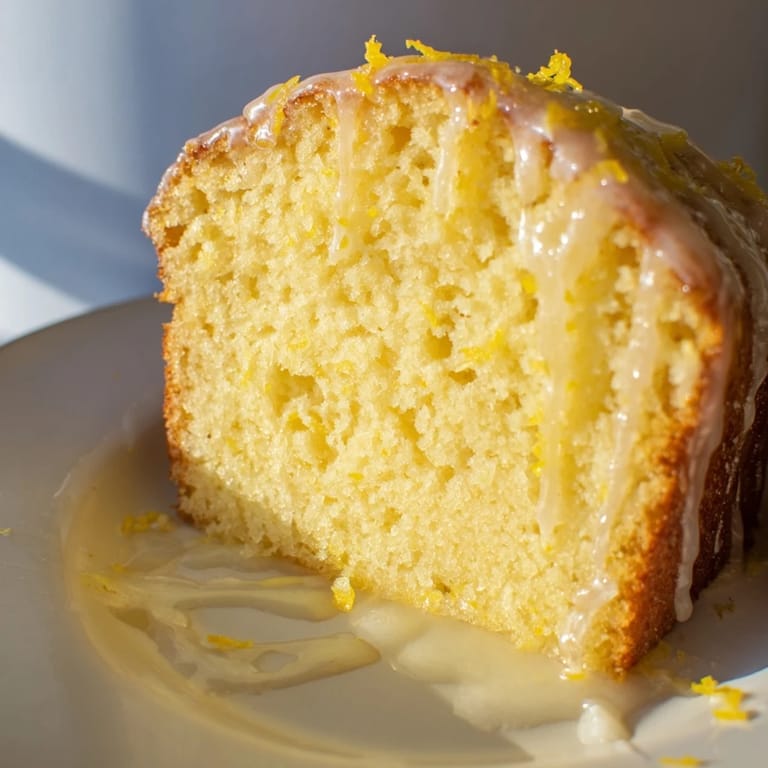
- Whisk together the powdered sugar and lemon juice until it's smooth and pourable, then drizzle it over the completely cooled cake. The contrast between tangy glaze and buttery crumb is when this cake becomes something special.
 Save
Save There was a moment last winter when my daughter came home from school and the smell of this cake hit her the second she opened the door. She didn't even take off her coat—she just sat at the kitchen counter, and we split a slice with our tea, barely talking. That's when I knew this recipe was more than just a cake.
Choosing Your Lemons
Not all lemons are created equal, and the difference between a mealy, tired lemon and one that's bright and full of juice is night and day. Look for lemons that feel heavy for their size and have thin, smooth skin—those are the ones with the most juice inside. Thin-skinned lemons also zest more easily, and the oils in that zest are where the real lemon flavor lives.
The Science of Softened Butter
Softened butter isn't just a nice texture—it's the foundation of how this cake rises and stays tender. When you cream soft butter with sugar, you're beating air into it, and that air creates tiny pockets that expand in the oven and give the cake its light crumb. If your butter is too cold, those air bubbles never form properly and you end up with something dense and heavy.
Storing and Serving
This cake actually tastes better the next day, when the flavors have melded and settled into the crumb. Wrap it tightly in plastic wrap or store it in an airtight container at room temperature, and it will stay fresh for three full days—which means you can bake on Sunday and have slices waiting for you all week.
- Serve it plain with tea or coffee, or dress it up with fresh berries and whipped cream for something that feels almost fancy.
- A thin slice is satisfying because the crumb is dense and buttery, so you don't need much to feel like you've had dessert.
- If you want extra lemon punch, brush the warm cake with a lemon syrup before adding the glaze, or stir half a teaspoon of lemon extract into your batter.
 Save
Save This cake has become my reliable friend in the kitchen, the one that works every time and makes people genuinely happy. Once you make it, you'll find reasons to keep making it.
Recipe FAQ
- → How do I prevent the cake from drying out?
Ensure not to overbake and wrap the cake tightly once cooled to maintain moisture for days.
- → Can I use lemon extract instead of fresh lemon?
Yes, adding 1/2 teaspoon lemon extract to the batter boosts lemon flavor without altering texture.
- → What makes this cake dense but tender?
The creaming of butter and sugar combined with careful folding of ingredients ensures a dense yet tender crumb.
- → Is it necessary to sift the powdered sugar for the glaze?
Sifting powdered sugar avoids lumps, resulting in a smooth lemon glaze for easy drizzling.
- → What pan size is best for baking this cake?
A 9x5-inch loaf pan provides the perfect shape and even baking for this dense butter cake.