 Save
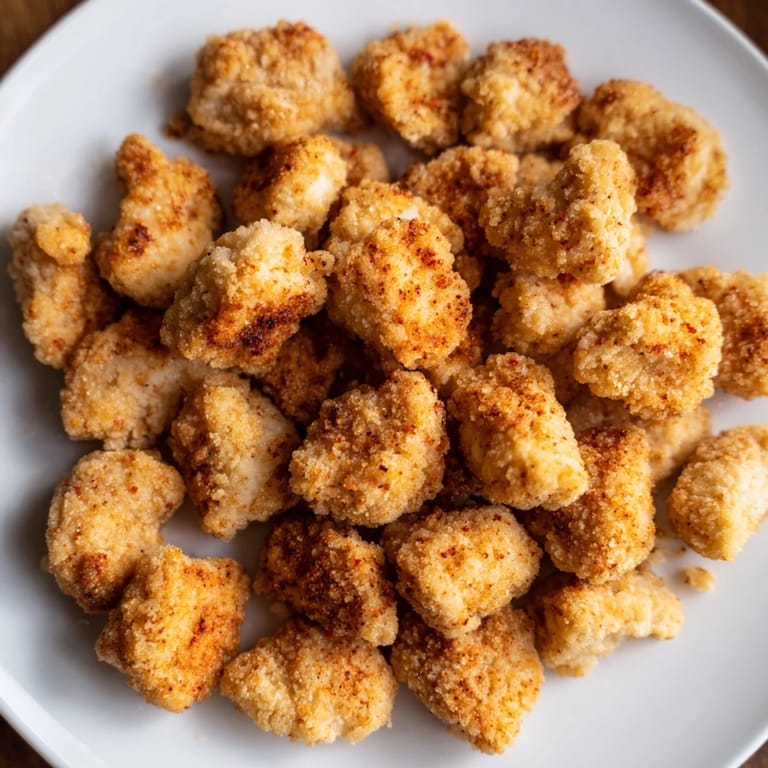
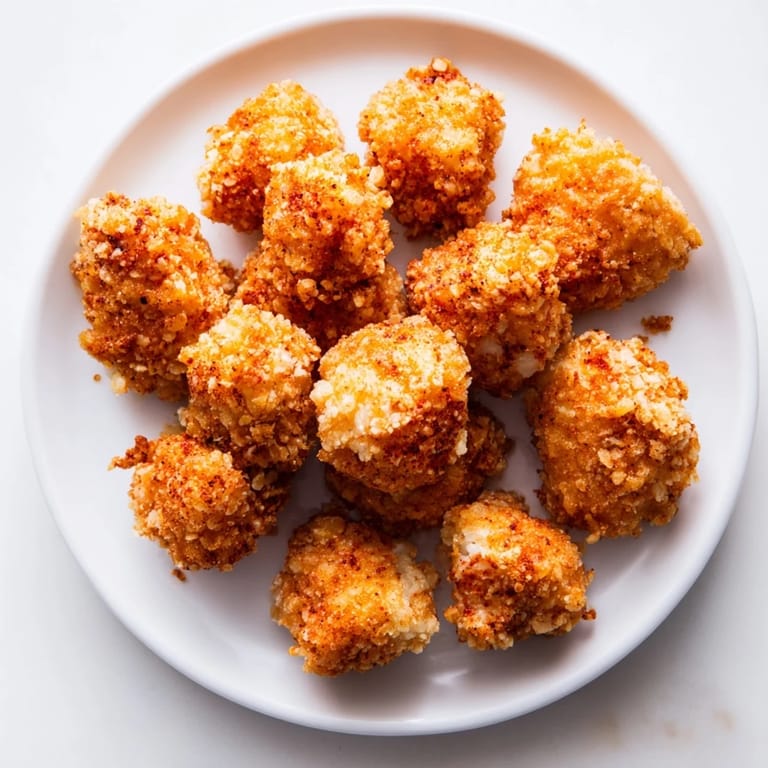
Save My roommate came home one evening with a craving that started as a joke—could I recreate those addictive popcorn chicken pieces from the food court? What began as a casual kitchen experiment turned into something I've made dozens of times since. That first batch, golden and shattering under my teeth, proved you don't need a chain restaurant to get that perfect crispy-outside-juicy-inside magic. Now whenever friends drop by unannounced, this is what I reach for.
I made these for a movie night last winter, and my usually quiet friend wouldn't stop talking about them between films. She kept reaching back for more, sauce dripping on her fingers, not caring at all. That's when I realized this recipe wasn't just good—it was the kind of food that makes people happy without trying too hard. Simple, honest, and somehow better than the expensive stuff.
Ingredients
- Boneless, skinless chicken: 500 g cut into bite-sized pieces; thighs stay juicier than breast meat if you're willing to trim a little fat, and they're more forgiving if you fry slightly too long.
- Buttermilk: 120 ml mixed into the marinade—it tenderizes the chicken and adds a subtle tang that regular milk can't match.
- Garlic and onion powder: 1 tsp each; these dissolve into the marinade and season from the inside out, not just on the surface.
- Paprika: 1 tsp total split between marinade and breading; it brings color and a whisper of smokiness without overpowering.
- Salt and pepper: Season generously at every stage—marinade, breading, and even a pinch on the hot finished chicken.
- All-purpose flour: 150 g; it's the backbone of your crust, so don't skip it for other flours.
- Cornstarch: 50 g is the secret weapon; it creates extra crispiness by absorbing less oil than flour alone.
- Baking powder: 1 tsp creates tiny air pockets that make the coating light and shatteringly crispy.
- Cayenne pepper: ½ tsp optional; add more if you like heat, but start conservative—it builds.
- Vegetable oil: Use enough to submerge the chicken by at least 2 inches; the oil temperature matters more than the brand.
Tired of Takeout? 🥡
Get 10 meals you can make faster than delivery arrives. Seriously.
One email. No spam. Unsubscribe anytime.
Instructions
- Marinate the chicken:
- Combine chicken pieces with buttermilk, garlic powder, onion powder, paprika, salt, and pepper in a bowl. Mix until every piece is coated, cover, and refrigerate for at least 30 minutes—the longer it sits (up to 4 hours), the more tender it becomes.
- Mix the breading:
- In a separate bowl, whisk together flour, cornstarch, baking powder, paprika, salt, cayenne, and black pepper until there are no lumps. This mixture is your armor, so make sure it's evenly distributed.
- Heat the oil:
- Pour oil into a heavy-bottomed pot or deep fryer and bring it to 180°C (350°F). Use a thermometer—guessing leads to either greasy chicken or burnt exteriors with raw centers.
- Coat and double-coat:
- Pull chicken from marinade, let excess buttermilk drip off, then toss in the flour mixture until fully covered. For maximum crispiness, dip the coated pieces back into buttermilk for a second, then coat again in flour—this creates a thicker, crunchier shell.
- Fry in batches:
- Gently place chicken into hot oil, working in batches so pieces don't touch; overcrowding drops the oil temperature and causes soggy results. Fry for 3–4 minutes per batch until golden brown and the internal temperature hits 75°C (165°F).
- Drain and rest:
- Lift chicken out with a slotted spoon and lay it on a wire rack or paper towels to drain excess oil. This keeps the bottom from steaming and staying soft.
 Save
Save There's a moment right when the chicken hits the hot oil—that violent sizzle and the smell of something becoming delicious. I remember standing over the pot, watching the pieces turn golden, feeling like I'd cracked some code that fast-food kitchens had been keeping secret. That's when you know you're about to make someone happy.
The Crispy Coating Secret
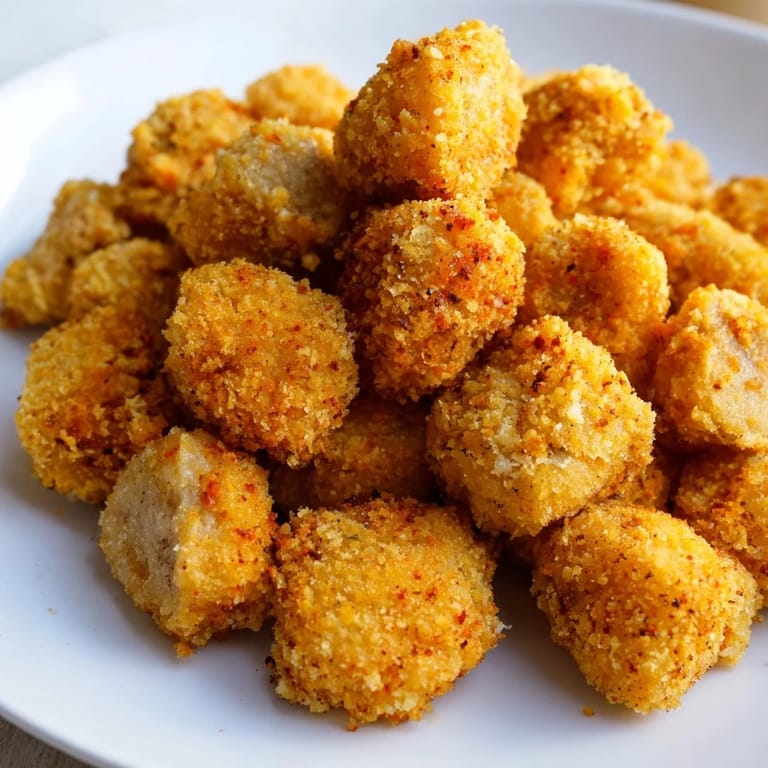
The combination of cornstarch and baking powder is what separates homemade popcorn chicken from soggy imitations. Cornstarch fries up incredibly crispy because it absorbs less moisture than flour alone, while the baking powder creates tiny air pockets that shatter when you bite down. I learned this by accident after a batch turned out unusually crunchy, and now I won't make it any other way. The ratio matters—too much cornstarch and the coating tastes chalky, too little and you lose that signature crunch.
Marinade Timing and Tenderness
I used to skip the marinade entirely, thinking it was unnecessary for such small pieces. One afternoon I marinated some chicken for three hours and noticed the difference immediately—each bite was tender, almost melting on the inside while the outside stayed crisp. The buttermilk breaks down the proteins gently, and the aromatics season the meat deeply. Even 30 minutes makes a difference, but if you have time, let it sit longer.
Serving and Storage
These are best eaten within an hour of frying, while the coating is still crackling. They'll soften over time as they cool and absorb steam, but they're still good for a few hours at room temperature or reheated in a 180°C oven for 5 minutes. Pair them with ranch, honey mustard, or even a spicy mayo, and watch people's faces light up. I've learned not to make too small a batch—somehow there's never any left.
- Fry in batches rather than all at once to maintain oil temperature and ensure even browning.
- If serving later, store in an airtight container and reheat briefly in the oven to restore crispiness.
- Thighs will always be juicier than breast, so don't feel bad about choosing them for extra insurance against dryness.
 Save
Save This recipe has become my answer to cravings, unexpected guests, and days when I want something that feels indulgent but tastes like home. Once you nail it, you'll find yourself making it again and again.
Recipe FAQ
- → What gives the chicken its extra crispy crust?
The coating uses a mixture of all-purpose flour, cornstarch, and baking powder which, combined with double coating and frying, creates a golden crispy crust.
- → How does marinating in buttermilk affect the chicken?
Buttermilk tenderizes the chicken by breaking down proteins and infuses subtle tangy flavor, helping retain juiciness during frying.
- → Can I use chicken thighs instead of breast?
Yes, chicken thighs work well and add extra moisture and richness to the bites, enhancing juiciness.
- → How can I add a spicy kick to these bites?
Increase cayenne pepper in the breading or add chili powder for extra heat to suit your taste preferences.
- → What oils are best for frying the chicken bites?
Vegetable oil or other neutral oils with high smoke points are ideal for deep frying to achieve even crispness.